When Should You Start Lawn Care in East Tennessee? A Seasonal Guide for Knoxville Homeowners
When Should You Start Lawn Care in East Tennessee? A Seasonal Guide (Knoxville Area)
If you have lived in East Tennessee for any length of time, you know our weather loves to keep you guessing. One week feels like spring, the next week we are back in cold mornings, and then suddenly your lawn is growing like it has something to prove. That unpredictability is exactly why homeowners around Knoxville ask the same question every year: when should I actually start lawn care?
The honest answer is that “lawn care season” is not a single start date. It is a rhythm. In our region, the lawn wakes up in fits and starts, and the best results come from doing the right things at the right times, not doing everything all at once.
This guide walks you through what to focus on each season, with the goal most homeowners have in common: a healthy lawn that looks sharp, stays manageable, and supports the bigger picture of curb appeal.
A quick note before we get seasonal: your lawn type matters
Some Knoxville lawns are built around warm-season grasses, especially Bermuda and Zoysia, though fescue is common in shaded areas or where homeowners prefer a cool-season look. Warm-season lawns “start” later, once soil temperatures rise and growth is consistent. Fescue perks up earlier and needs a different schedule.
If you are not sure what you have, you are not alone. It is one of the first things a professional lawn care service in Knoxville TN will help you identify, because it changes everything from mowing frequency to irrigation timing.
Spring (March to May): Start clean, then build momentum
Spring is when most people feel the itch to “get the yard back.” In East Tennessee, that usually starts sometime in March, but the lawn does not always cooperate right away.
Here is what spring should look like in practical terms.
Early spring (March): Focus on cleanup and damage control
March is about clearing the runway. Think:
Remove leaves, sticks, and winter debris Edge beds and hard lines if they have blurred over winter Check for drainage issues and areas that stayed soggy all winter Do the first round of trimming and shaping, especially around shrubs
A lot of homeowners jump straight into mowing, but if the turf is still dormant, mowing too early can scalp the lawn and set you back. A light cleanup and a good plan beat rushing into weekly mowing before the lawn is truly growing.
Mid to late spring (April to May): Regular mowing begins
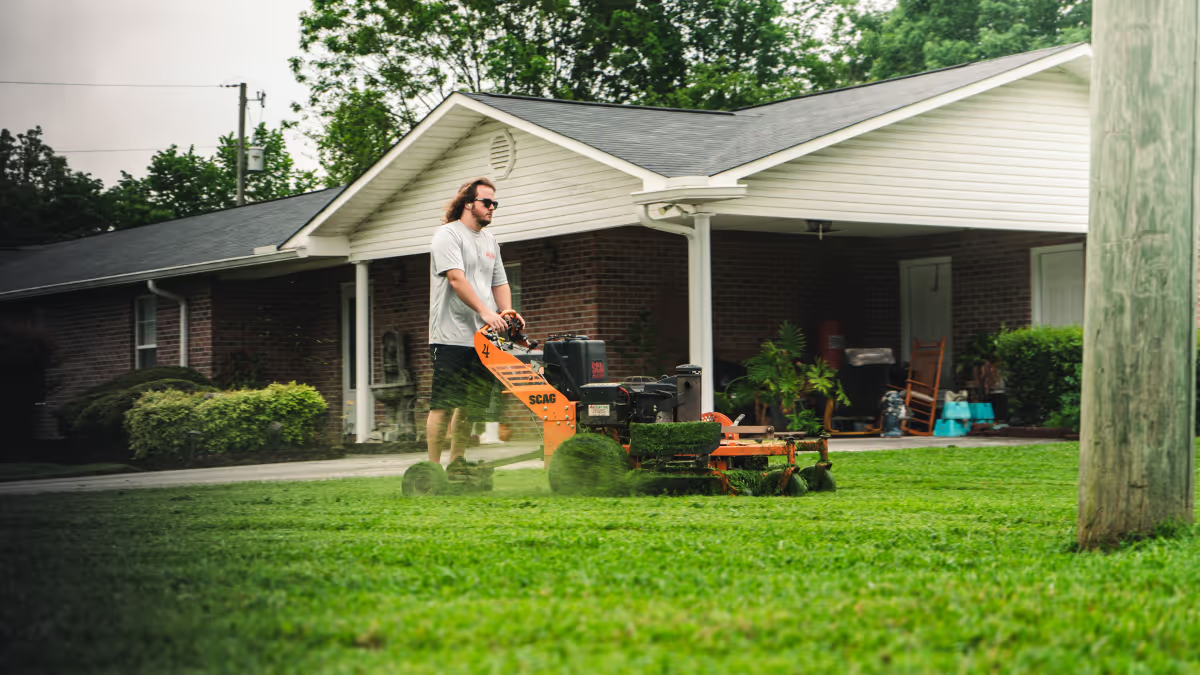
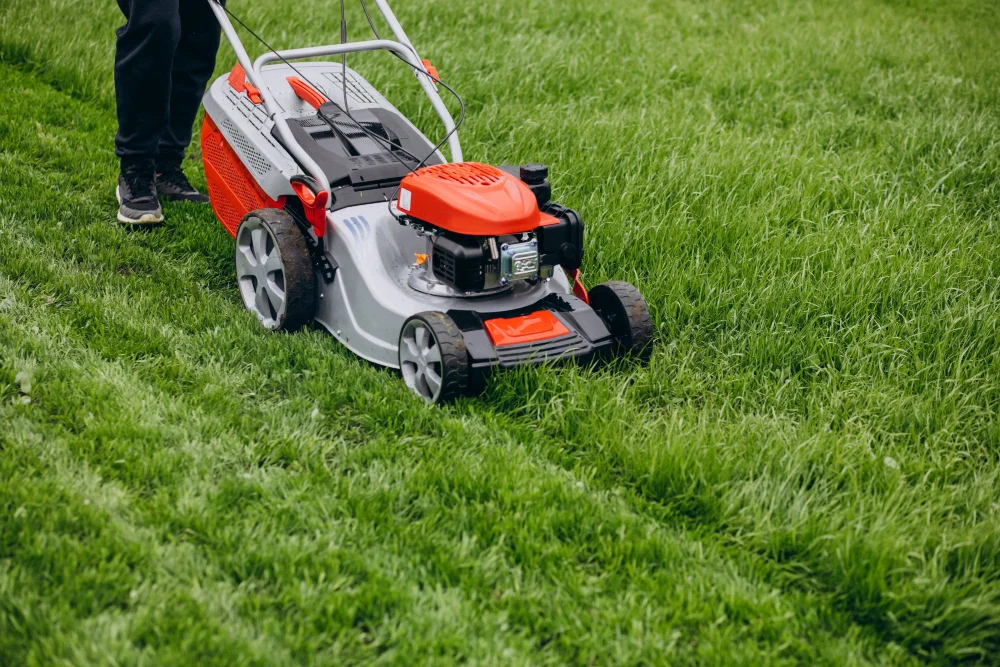
By April, most lawns in the Knoxville area are waking up. This is typically when weekly or biweekly mowing becomes necessary, depending on rainfall and sun exposure.
A few spring rules that save headaches later:
Do not cut too short. Scalping exposes soil, stresses the grass, and invites weeds. Keep blades sharp. Clean cuts heal faster and look better. Stay consistent. Skipping two weeks in spring can turn one mow into a whole afternoon.
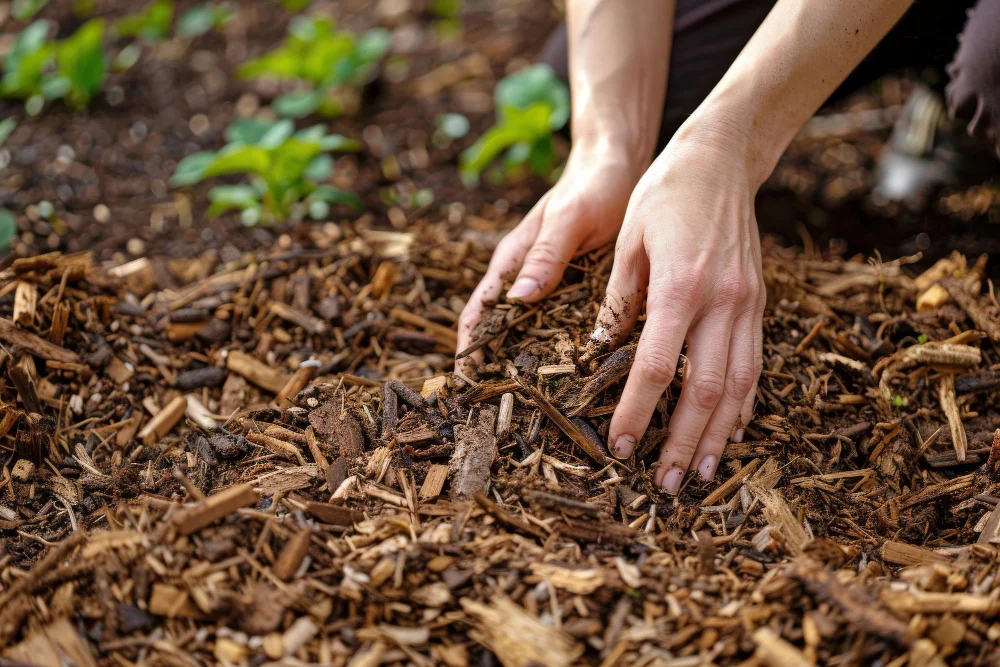
This is also when many homeowners schedule mulching services in Knoxville TN. Fresh mulch does more than look finished. It helps retain moisture, reduces weed pressure, and protects plant roots from the temperature swings we get in late spring.
Summer (June to August): Maintain, protect, and water wisely
Summer is where lawns either hold steady or start to struggle. In East Tennessee, we get stretches of heavy rain, then weeks of heat that bake the soil. A strong summer plan is less about “doing more” and more about avoiding the common mistakes that quietly wreck a lawn.
Mowing: Stay on a schedule, but do not chase perfection
In summer, you still want consistent mowing, but you also want to give the grass enough height to protect the soil.
When homeowners ask why their lawn looks thin or patchy by late July, it is often a combination of:
Cutting too short during heat stress Mowing with dull blades Letting mowing get inconsistent, then cutting too much at once
If your lawn care service in Knoxville TN is maintaining your property, you should expect a plan that adjusts with growth patterns, not a rigid “every Tuesday no matter what” approach.
Irrigation: Water for roots, not for the calendar
This is where a lot of well-meaning homeowners waste time and water. Frequent light watering encourages shallow roots, which makes the lawn more vulnerable when the heat ramps up.
A smarter approach is deeper watering less often, early in the morning, so the lawn has time to absorb it before the day heats up.
If you are considering irrigation system installation in Knoxville, summer usually makes the case for it. Not because irrigation is a luxury, but because it gives you consistency when rainfall is inconsistent. For homeowners who care about curb appeal and want predictable results, that control matters.
Fall (September to November): The most overlooked season for lawn success
Fall is where the next year’s lawn is quietly decided. People tend to ease off when the weather cools, but in East Tennessee, early fall can still be a high-growth period, especially for fescue.
Early fall: Keep mowing and tidy the edges
September often needs continued mowing and trimming. It is also an ideal time to:
Refresh bed edges Clean up overgrown shrubs Correct drainage issues you noticed in spring and summer
Fall is also a great time to tackle bigger landscape upgrades because the weather is more forgiving for both people and plants. If you are pairing maintenance with broader work from a landscaping company in Knoxville TN, fall is often the sweet spot.
Late fall: Leaf management becomes the main event
Leaves are not just a cosmetic issue. Thick layers block sunlight and trap moisture, which can create fungal problems and dead spots.
If you want the lawn to come out strong in spring, you want a plan for leaf cleanup, not a “we will deal with it later” approach that turns into a weekend-long disaster in November.
Winter (December to February): Low activity, smart planning
Winter lawn care in Knoxville is quieter, but it is not “do nothing.”
This is the season to:
Keep the lawn clear of heavy debris Avoid heavy traffic on frozen or soggy turf Schedule consultations for spring projects early, especially if you want mulching, landscape installation, or a new maintenance plan
If you have bigger outdoor goals, winter is also when you can plan them without feeling rushed. Outdoor living upgrades, drainage solutions, retaining walls, and patio projects book up quickly once spring hits.
So, when should you start lawn care in East Tennessee?
If you want a simple, real-world answer, here it is:
Start lawn care in March with cleanup, edging, and evaluation Begin consistent mowing in April for most Knoxville lawns Treat summer as a maintenance and protection season, not a “fix it later” season Use fall to set up next year’s curb appeal, especially with leaf management and bed refreshes
And if you have had inconsistent results in the past, it is worth asking why. Was it the schedule? The mowing height? The lack of irrigation? Or was it just a lack of a reliable plan, with someone actually communicating what is happening and why?
That last piece, professional communication, is usually the reason homeowners switch providers in the first place.
=====
If you want more seasonal lawn care tips for the Knoxville area, follow Southern Valley Lawn Care on Facebook and Instagram. We share practical maintenance advice, project spotlights, and before-and-after transformations. If you would rather have a dependable plan handled for you, subscribe to our newsletter for reminders and seasonal checklists (and reach out anytime for an estimate).